My nails broke constantly for years. Not dramatically, just enough to stay frustrating. I’d finally get them to a decent length, snag one on a bag zipper, and lose three weeks of progress in half a second. I tried serums, supplements, and switching polish brands. Nothing stuck.
What actually changed things was boring: I stopped doing a few things that were quietly wrecking my nails, and started doing a few things consistently. That’s it, no miracle product involved.
Here are the 9 specific habits that made the difference, including what I tested myself, what didn’t work, and what the research actually says.
One thing worth knowing before you start: nail growth begins weeks before you see it. The nail you’re looking at today started forming 4–6 weeks ago. That lag is why people quit. They try something for two weeks, see nothing, and move on. Give it a full 6–8 weeks before you judge.
Why Your Nails Aren’t Growing (What’s Actually Slowing Them Down)
Before jumping to fixes, it’s worth spending one minute on causes. Most people skip this part and wonder why nothing works.
Repeated wet-dry cycles are weakening your nail plate. Nails are porous. They absorb water when wet and release it when dry. Every cycle of handwashing, dishwashing, and showering puts stress on the structure. If you’re washing your hands 8–10 times a day without rehydrating afterward, your nails are in a constant low-grade weakening cycle. This was my main problem. I didn’t realize how much damage the drying phase does, not just the water exposure itself.
A diet gap is slowing growth at the source. Nails are made of keratin, a protein. If you’re low on protein, biotin (vitamin B7), zinc, or iron, your nail matrix literally produces less nail. Growth slows. What comes through is thinner and more prone to splitting. This isn’t about taking more supplements; it’s about checking whether you’re eating enough of the basics first.
Your filing technique is causing micro-tears. Sawing back and forth with a file creates friction and tears at the nail edge. Those tears don’t cause immediate visible damage, but over a week or two, they peel from the inside out. Filing in one direction only, always from the outside edge toward the center, fixes this. I switched to a glass file at the same time, and the fraying I’d accepted as normal just stopped.
The 9 Habits That Actually Work
1. Apply Cuticle Oil Every Single Morning and Night
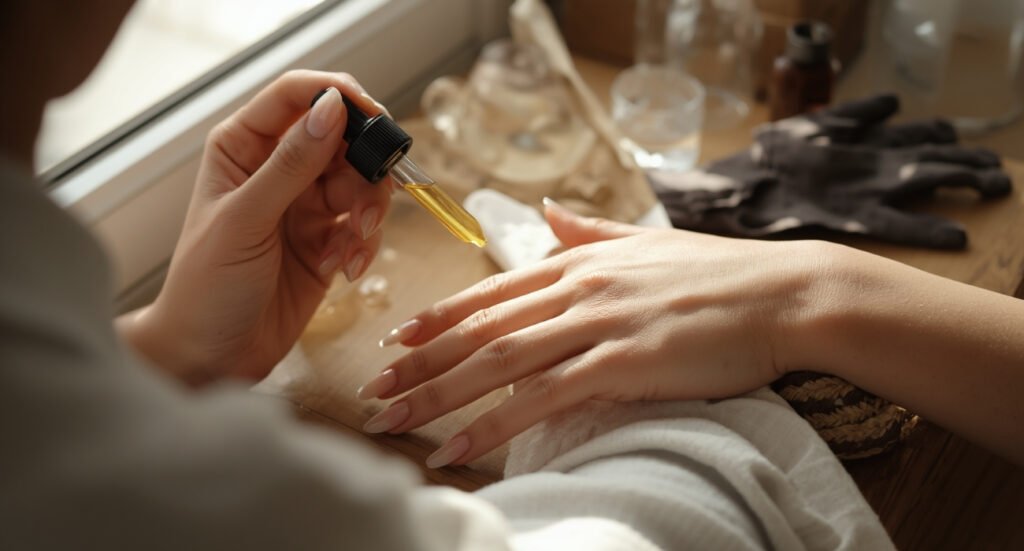
This is the one I’d tell anyone to start with. Not because it’s the most glamorous answer, but because it works and nothing else replaces it.
Cuticle oil doesn’t just condition the skin around the nail, it penetrates the nail plate itself and keeps it flexible. A flexible nail bends under pressure instead of snapping. The difference between a nail that survives a weekend of cooking and cleaning versus one that cracks on a drawer handle often comes down to whether it’s been hydrated.
I use it first thing in the morning and right before bed. Thirty seconds, both hands, massaged into the nail and the skin around it. The nails I forgot to oil consistently were always the ones that broke first, even when everything else in my routine was the same.
Two products I keep coming back to after testing several: CND SolarOil and Essie Apricot Cuticle Oil. Both absorb within a minute and don’t leave residue on your fingertips. I’ve tried cheaper options, and they work fine. The key is consistency, not the brand.
2. Put On Gloves Before You Do the Dishes
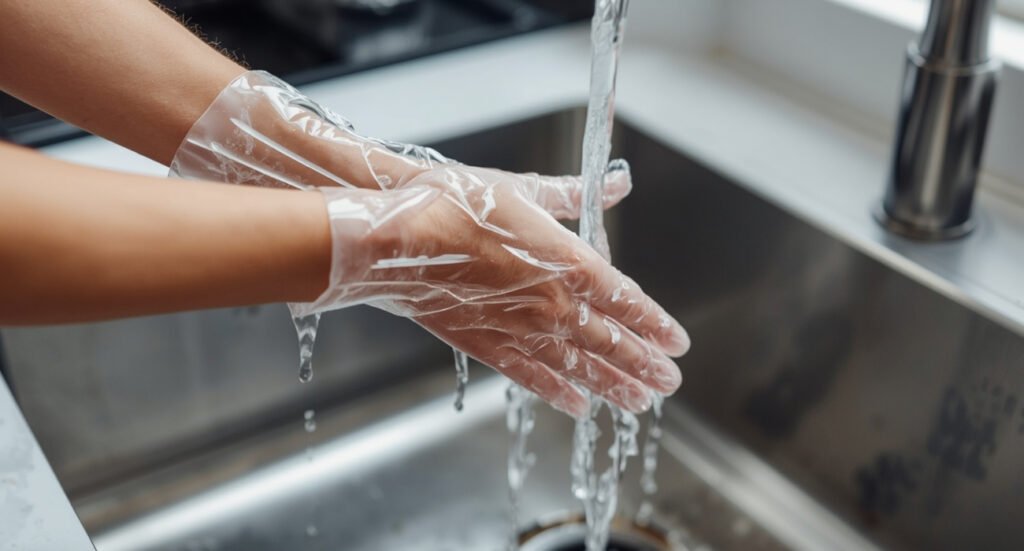
This one felt annoying to start. Now I don’t think about it.
Dish soap is designed to cut through grease and oils. It does the same thing to your nails. Ten minutes of washing up without gloves strips the natural oils from your nail plate and leaves them dehydrated for hours afterward. Cleaning products are even worse.
I kept a pair of rubber gloves under the sink and put them on automatically. Within two weeks, my nails felt noticeably less brittle. This single change did more for my nail length than any strengthener I’d tried. It’s not exciting advice, but it genuinely works.
3. Moisturize Your Hands Immediately After Washing, Not Five Minutes Later
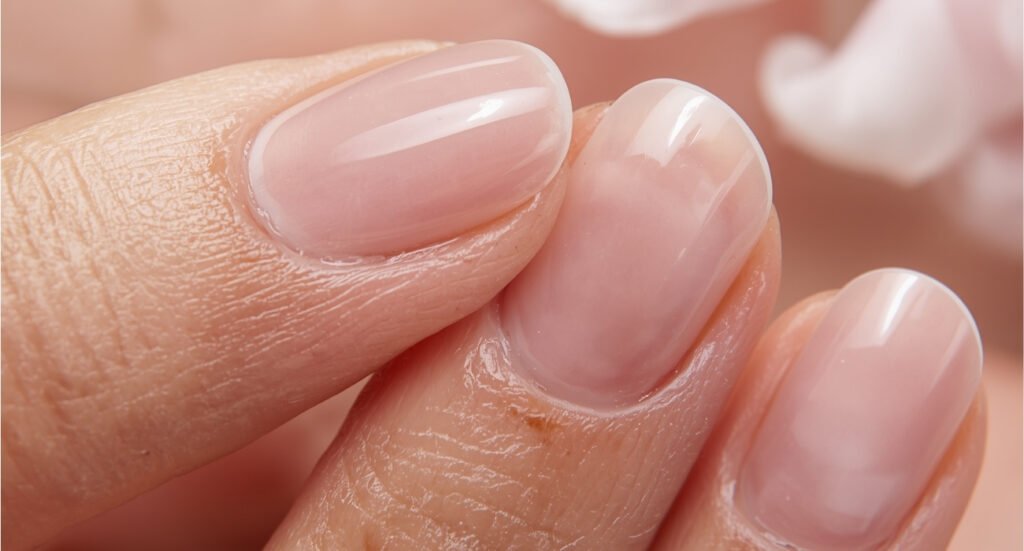
The timing matters more than the product.
When you wash your hands and let them air dry completely before applying cream, you’ve already lost the window. The drying phase is when moisture leaves fastest. Applying hand cream while your hands are still slightly damp traps what’s left and keeps the nail plate from going through a full dehydration cycle.
I put a small tube of hand cream next to every sink in my house. It sounds excessive. It took about four days to become automatic, and I stopped noticing it.
4. File Your Nails to Remove Weak Points Before They Become Broken
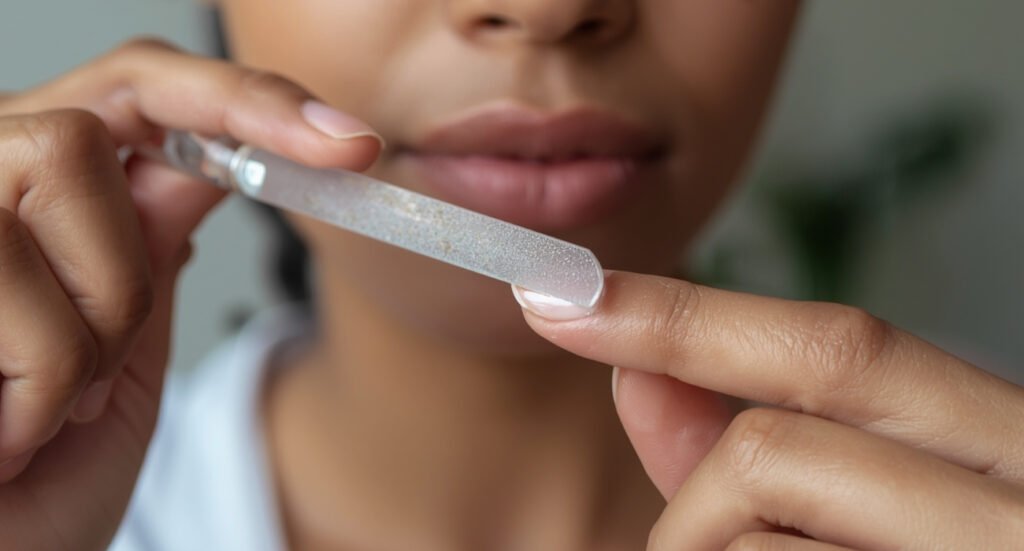
This feels counterintuitive when your goal is length, but it’s how you build length over time.
A nail with an uneven edge or a small dent from a previous chip has a weak point. That weak point breaks usually at the worst moment, usually taking more nails with it than just the damaged part. Filing down to a clean, even edge removes those spots before they become setbacks.
I check my nails once a week and file any rough edges immediately. It means I occasionally sacrifice a millimeter of length. It also means I stop losing 5mm of length every time one breaks unevenly.
5. Switch From Square to Oval, Especially While Growing
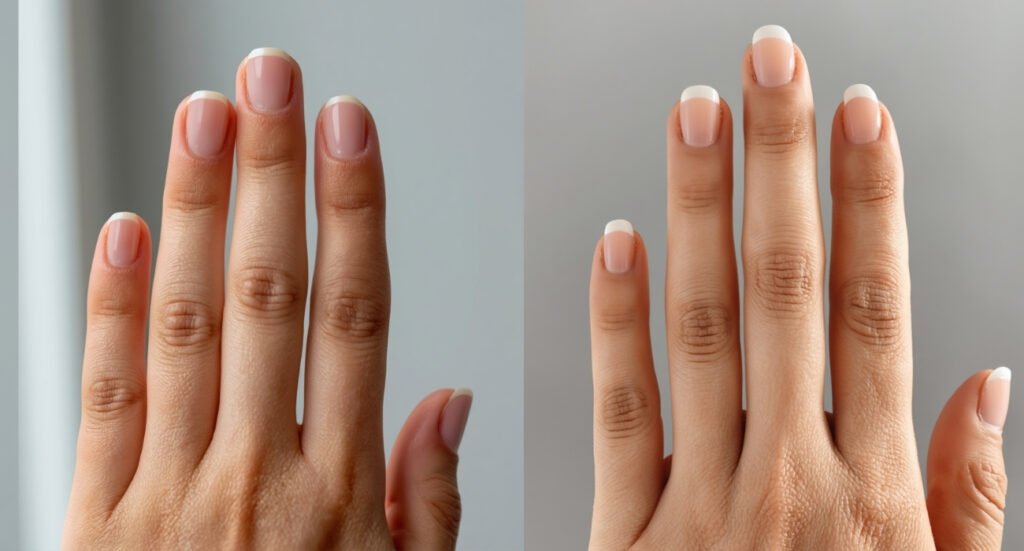
I resisted this longer than I should have.
Square nails look clean, but the corners catch on things constantly, zippers, seams, the inside of bags, and pockets. Each snag creates a tiny stress point. Enough of them, and the corner breaks clean off.
The oval shape has no corners to catch. The rounded edge distributes pressure more evenly. The day I switched shapes, my breakage rate dropped noticeably. I went back to square one once my nails were at the length I wanted and had more structural density. While you’re actively growing, oval is just the more practical choice.
The same logic applies to coffin and stiletto shapes, gorgeous when your nails are long and strong, not ideal when you’re still building length.
6. Eat Enough Protein and Check for These Three Deficiencies
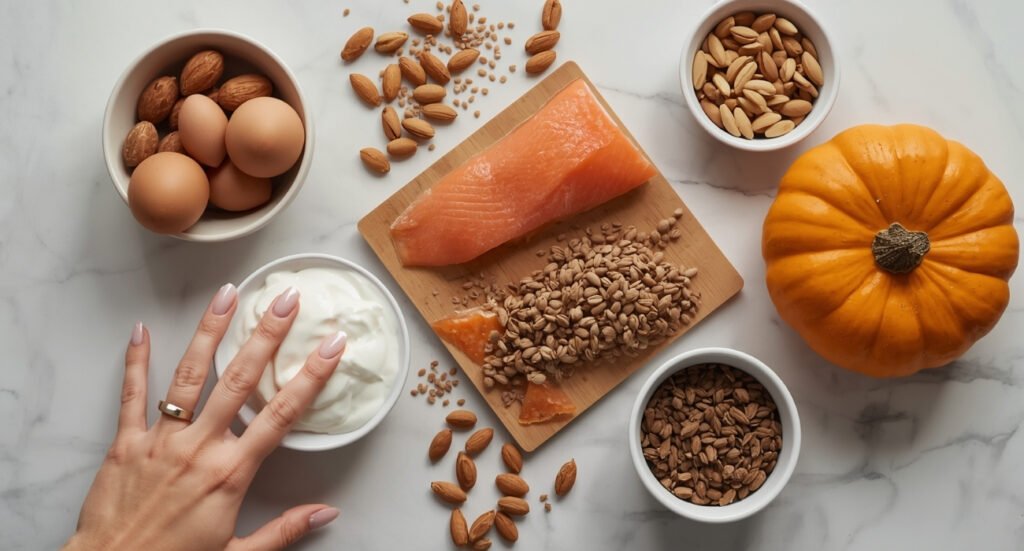
Supplements don’t fix a diet that’s missing the fundamentals. But specific gaps genuinely do slow nail growth.
Protein is the most straightforward one. Nails are keratin, and keratin is a protein. If you’re consistently under-eating protein, your body lowers keratin production. Eggs, chicken, Greek yogurt, lentils, and fish are all reliable sources. This isn’t about eating more than you need; it’s about making sure you’re not consistently short.
Biotin gets more attention than it probably deserves unless you’re actually deficient. If you’re eating eggs, almonds, sweet potatoes, and salmon regularly, you’re likely getting enough. Supplementing beyond your needs doesn’t accelerate growth. If your nails are thin and peeling and you’re not eating many of these foods, try increasing them for 4–6 weeks before adding a supplement.
Zinc deficiency shows up as white spots and noticeably slow growth. Pumpkin seeds, chickpeas, beef, and cashews are solid sources. If you’ve had white spots that don’t go away with topical treatment, this is worth looking into.
Iron is the one most people don’t think of. Low iron can cause nails to become thin, spoon-shaped (a condition called koilonychia), or grow extremely slowly. If you’re also tired more than usual, feeling cold, or have been under a lot of physical stress, a blood test is a faster and more reliable answer than guessing at supplements. Worth a visit to your doctor.
7. Push Back Cuticles Don’t Cut Them
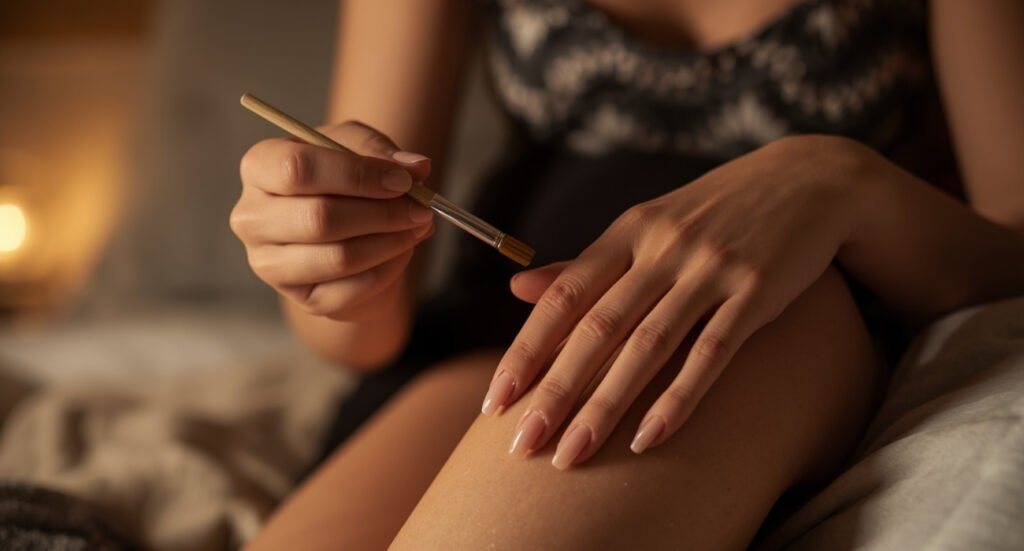
Cutting cuticles removes the thin skin that seals the gap between your nail and the nail fold. That seal keeps bacteria and debris out of the nail matrix, the area under your skin where the actual nail grows. Damage there can cause irregular growth, ridges, and slow everything down.
Pushing cuticles back is different. After a shower, when the skin is soft, use a wooden cuticle stick or a silicone tool to gently push the cuticle toward the base of your nail. You’re not removing anything, just keeping it from creeping up over the nail plate, which makes nails look shorter and can eventually weaken the nail edge.
Once a week is plenty. Don’t force it when the skin is dry.
8. Use a Nail Strengthener as Your Base Coat
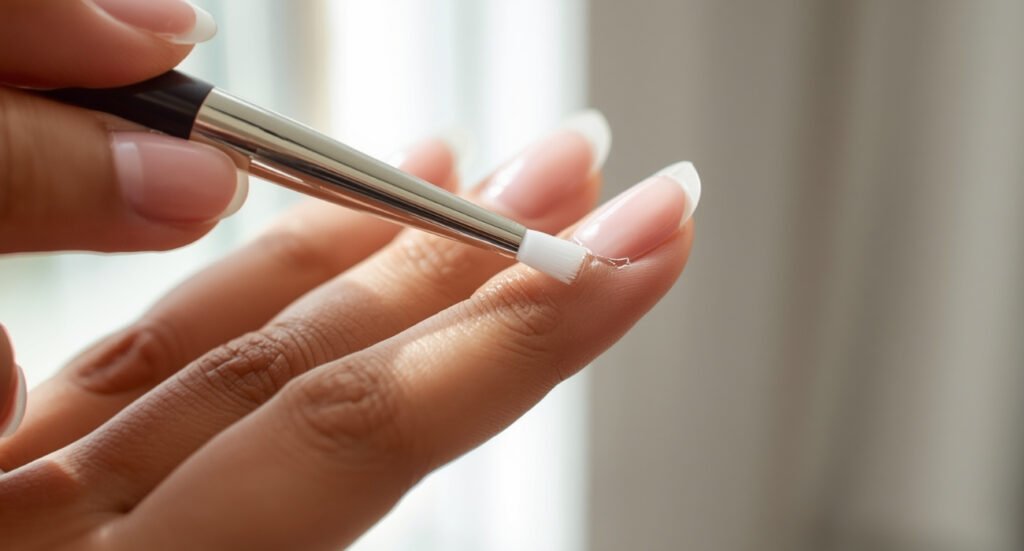
I was skeptical of nail strengtheners for a long time because I’d tried a few that did nothing. Then I tried OPI Nail Envy and understood why it’s been the standard recommendation for years.
After two weeks of daily application as a base coat, my nails felt noticeably denser. The tips stopped fraying when I filed them. I’ve since tested it against a few competitors, and it’s still the one I default to when my nails are in rough shape.
Apply it as a base under polish or on its own. Reapply every 2–3 days if you’re wearing it as a treatment. The accumulation builds up a protective layer on the nail plate.
A note on gel: gel manicures don’t damage nails directly. The damage happens during removal, specifically peeling gel off instead of soaking it in acetone properly. If you remove gel correctly and keep up with cuticle oil, gel doesn’t have to set you back.
9. Do a Monthly Reset Before Weak Points Accumulate
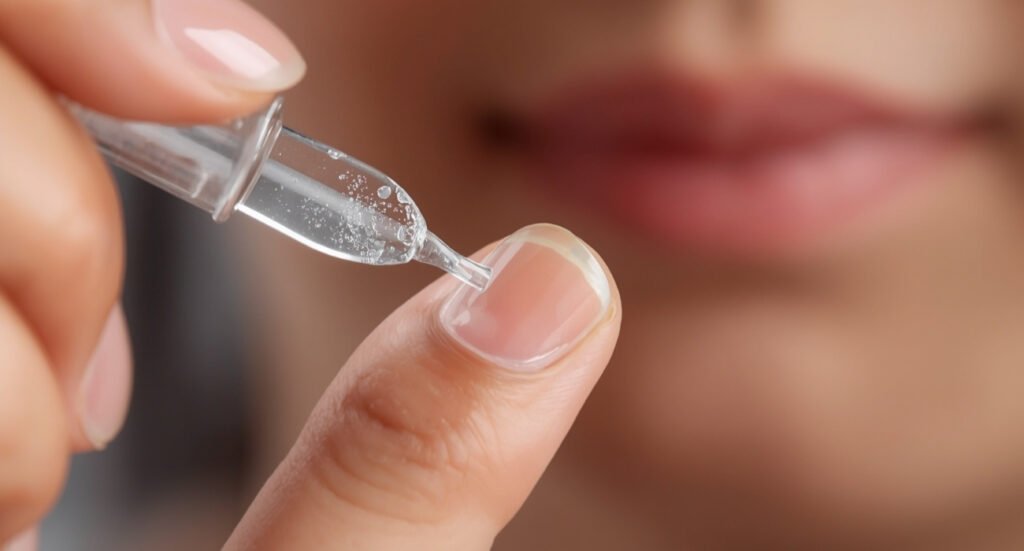
Every month, I do a proper nail check. I look at each nail in good light for small cracks, dents, or thin spots. I file down anything that looks like it’s about to break. I reassess my nail shape and length, check whether my diet has slipped on protein or water intake, and apply a fresh round of strengthener.
Fingernails grow about 3–4mm per month, according to the American Academy of Dermatology. That means one month is enough time to course-correct before a small problem becomes a broken nail. Most nail setbacks aren’t sudden; there were signs a week or two earlier.
The monthly reset is how you stop losing ground.
My Full Routine (Daily, Weekly, Monthly)
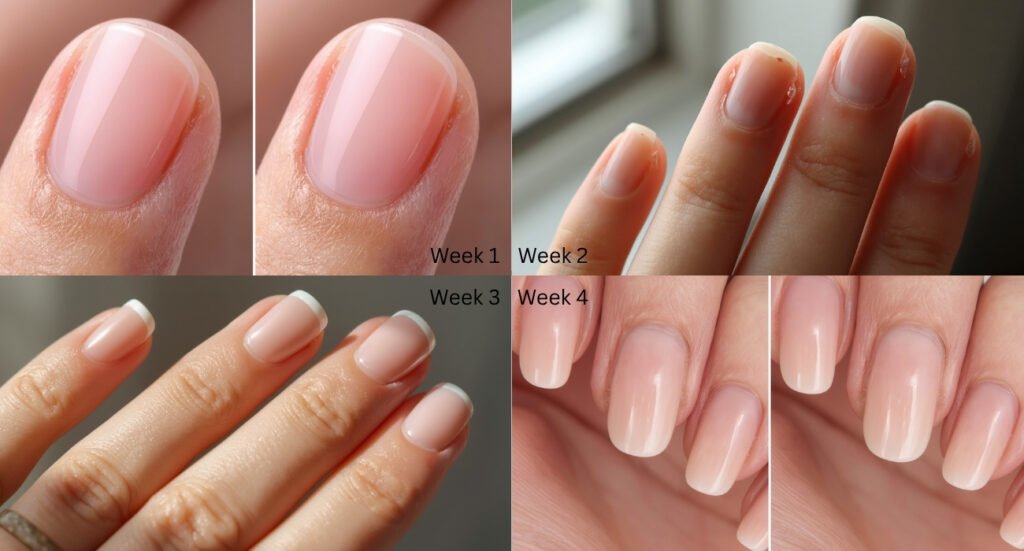
Every day:
- Cuticle oil in the morning and before bed
- Hand cream immediately after washing hands
- Gloves on for dishes and any cleaning
Every week:
- Push back cuticles gently after a shower
- Check for rough edges and file in one direction
- Apply a fresh coat of OPI Nail Envy or base coat
Every month:
- Full nail check, look for thin spots, dents, or weak points
- File down anything that looks close to breaking
- Reassess nail shape
- Check in on diet basics: protein, water, zinc
Does Nail Polish Actually Help or Hurt Growth?
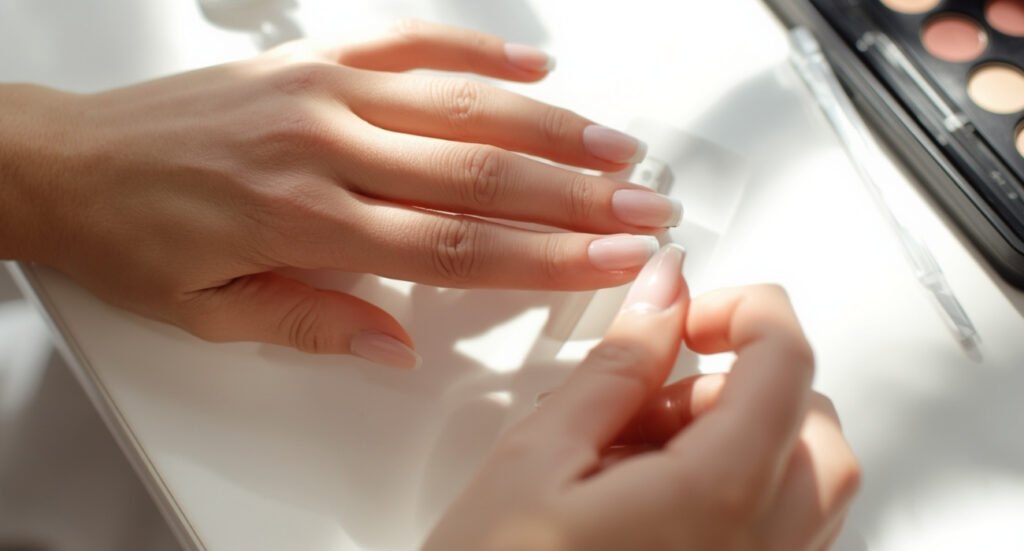
Polish itself doesn’t affect the growth rate that happens at the nail matrix under your skin, nowhere near what you’re painting. What polish does is add a physical layer of protection from environmental damage, which indirectly helps you hold length.
The problem is removers, specifically acetone. Acetone is effective but strips moisture from the nail plate every time you use it. If you’re removing and reapplying polish frequently, switch to an acetone-free remover for regular polish. If you do use acetone, apply cuticle oil immediately after; don’t wait until your nails are visibly dry.
Products That Are Actually Worth Buying
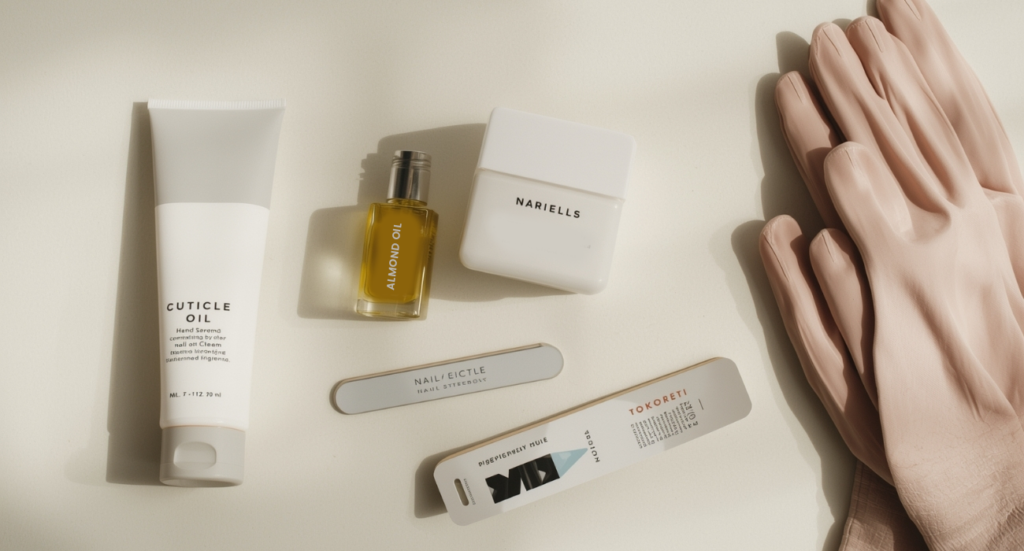
I’ve spent a few years testing products in this category. Most are fine. A handful are genuinely useful. Here’s the short list:
CND SolarOil: My daily cuticle oil for the past two years. Fast-absorbing, doesn’t leave residue, noticeable difference in nail flexibility within a week or two of consistent use.
Essie Apricot Cuticle Oil: A good alternative if SolarOil isn’t available. Slightly lighter consistency. Works well.
OPI Nail Envy is worth the price. Use it as a base coat or a standalone treatment. It builds up over several applications, and the difference in nail density is real.
Rubber gloves. Not a beauty product, but genuinely the most impactful thing on this list for length retention. Any pair with a good grip works.
A glass nail file. One-time purchase that lasts years. Gentler on the nail edge than paper or metal files, especially for thin or peeling nails.
FAQ: Nail Growth Questions I Actually Get
How long before I see results?
The American Academy of Dermatology puts average fingernail growth at 3–4mm per month. You’ll see visible length progress in 2–3 weeks. Stronger, less-splitting nails take 4–6 weeks of consistent care. That’s how long it takes for the nail you’re growing right now to fully emerge.
Does trimming nails make them grow faster?
No. Growth happens at the nail matrix, which is under your skin near the base of your nail. Trimming the tip doesn’t affect that process. What trimming does is remove weak edges that would break and set your length progress back. It’s maintenance, not acceleration.
What’s the single most useful vitamin for nail growth?
If you’re eating a reasonably varied diet, no single supplement is likely to transform your nails. If there’s a gap, iron deficiency affects nails more noticeably than most people expect. Biotin gets the most marketing attention, but unless you’re deficient, it won’t do much. Get a blood panel if you’re genuinely concerned; it’s faster and more accurate than experimenting with supplements.
Can stress slow down nail growth?
Yes. Physical or emotional stress, illness, crash dieting, surgery, and periods of very high anxiety can slow nail growth and sometimes produce horizontal ridges called Beau’s lines. These appear about 4–6 weeks after the stressful event, which is why they can feel mysterious when you spot them. They’re not permanent; the nail grows out normally once the stressor passes.
Does cold weather affect growth rate?
Slightly. Nails tend to grow a little slower in winter, likely because of reduced blood circulation to the hands. Consistent moisturizing matters more in cold months because nails dehydrate faster in dry, heated indoor air.
What about home remedies, olive oil soaks, garlic, and lemon?
Olive oil soaks have a reasonable logic behind them; you’re adding moisture and lipids to the nail plate, similar to what cuticle oil does. Some people find them helpful. The evidence is anecdotal, but the mechanism makes sense. Garlic has no credible basis for nail growth. Lemon is mildly acidic and can actually dry the nail out. Stick to formulated cuticle oils.
Is gel better or worse than regular polish for growing nails?
Gel offers more physical protection than regular polish, which helps with length retention. The risk is removal peeling gel off instead of soaking it damages the top layers of the nail plate. If you remove gel properly and keep up with cuticle oil, it’s not a problem. If you’re going to peel it off when it lifts, regular polish is less damaging overall.
Nail Shape Guide: Which One Actually Holds Length Best
This is worth knowing before you pick a shape.
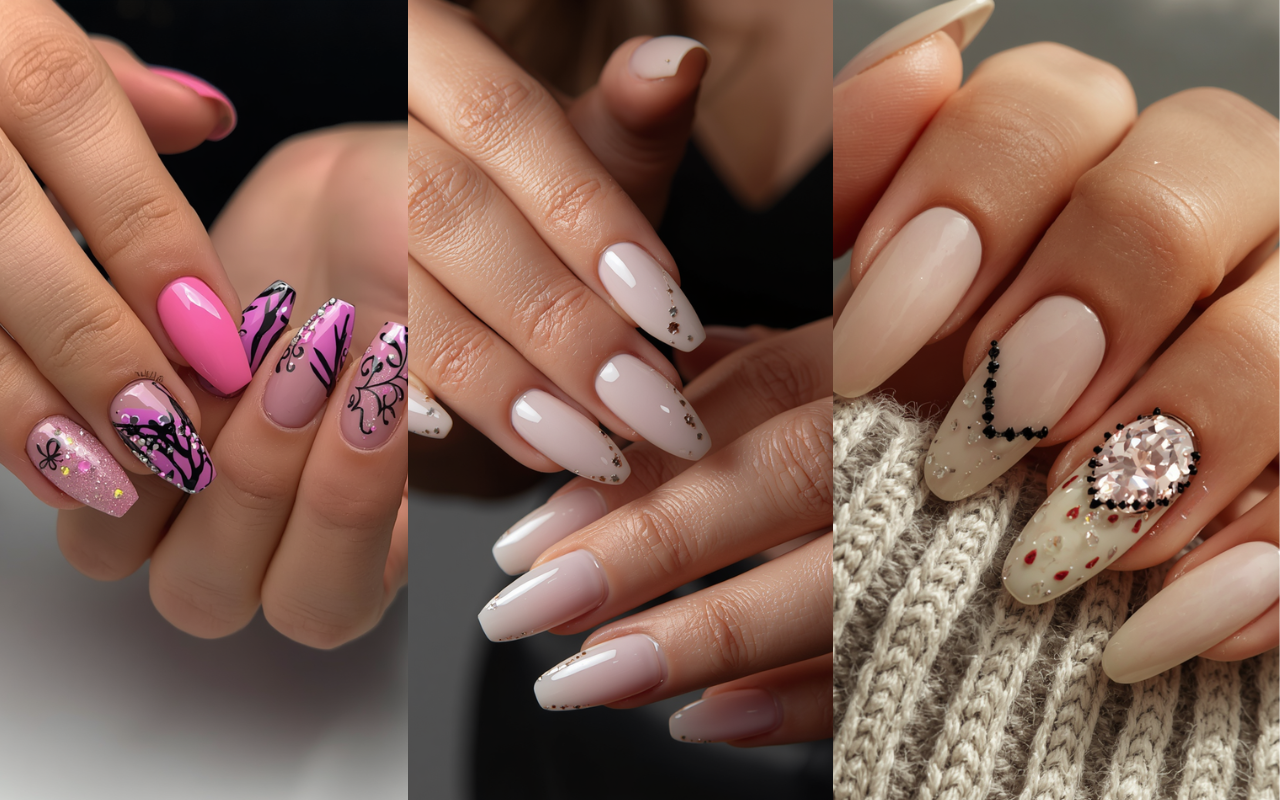
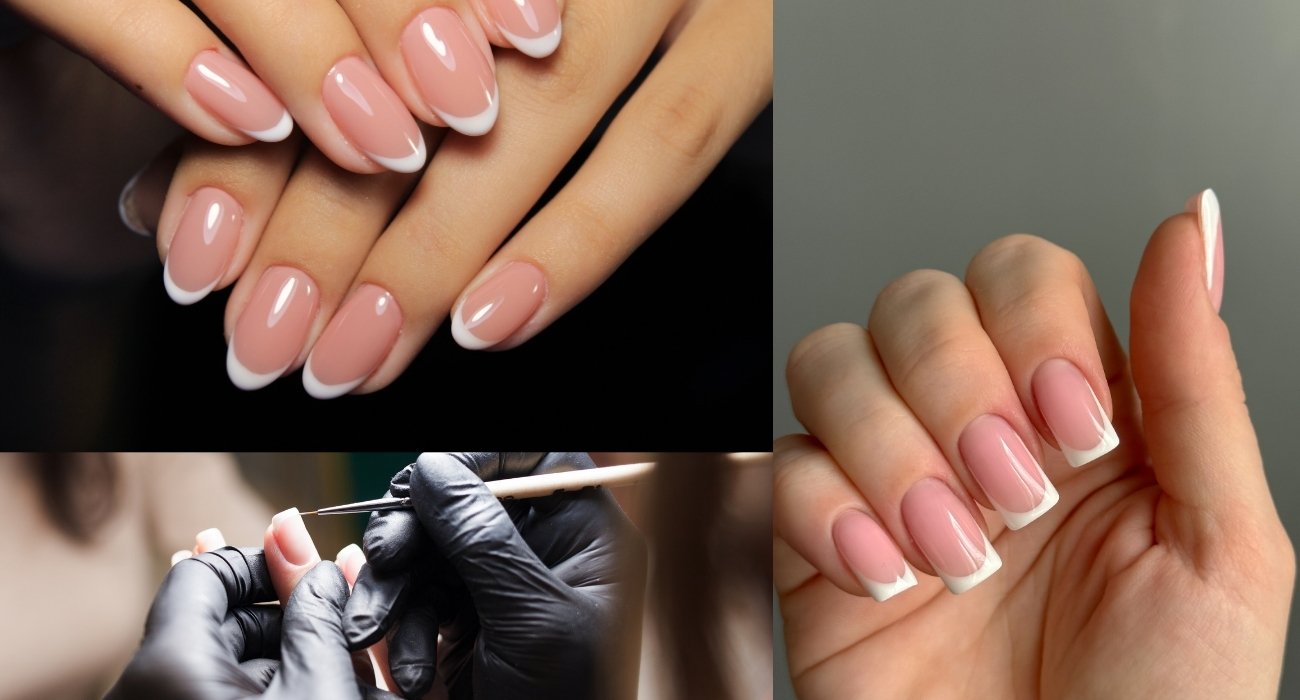
Round: The most practical shape for growing nails. No corners to snag, the curved edge distributes force well, and it suits almost every hand shape. This is where to start.
Oval: Similar benefits to round, slightly more elongated. My personal preference while growing. Looks elegant and survives daily life well.
Square: Clean and modern, but the corners are weak points. Fine at shorter lengths; frustrating when you’re trying to build length because corners catch on things constantly.
Squoval: Square with softened corners. A reasonable compromise if you like the square look. Better than full square for length retention.
Coffin/Ballerina: Requires length to work. The tapered tip is thin and fragile. Not the right choice while you’re still growing.
Stiletto/Almond: Same issue as coffin. Great when your nails are where you want them and structurally solid. Not during the growth phase.
Closing
Nail growth doesn’t respond to urgency. It responds to consistency. The people who get long, strong nails aren’t doing anything exotic. They’re just moisturizing every single day, protecting their nails from unnecessary damage, and not picking at their cuticles. Small habits held over 6–8 weeks make a bigger difference than any serum.
If you want to build a full self-care routine around this, my best perfumes for women post and summer makeup tips guide are a good next step. And if you’re thinking beyond beauty into your overall style, the best smart watch for women roundup is worth bookmarking.
Save this post if you’re starting a nail growth routine. Come back to it in 6 weeks and see where you are.